


What ADHD Really Looks Like in the UK Today
When most people hear “ADHD,” they picture a young boy bouncing off the walls, unable to sit still in class. But that image is outdated—and dangerously incomplete. In the UK, ADHD affects an estimated 3–5% of children and around 2–3% of adults. Yet countless individuals—especially women, autistic people, and those from working-class or minority backgrounds—go undiagnosed for decades, not because they don’t have ADHD, but because they don’t fit the narrow caricature.
So what does ADHD really look like in Britain in 2025?
It’s Not Just “Hyperactivity”
ADHD—Attention Deficit Hyperactivity Disorder—is a neurodevelopmental condition present from birth. It impacts executive function: the brain’s ability to plan, organise, regulate emotions, shift focus, and manage time. While some people experience physical restlessness, many—particularly adults—struggle with internal chaos: mental overwhelm, chronic procrastination, emotional sensitivity, and “time blindness” (the inability to accurately perceive how long tasks take).
The “inattentive” presentation is especially common in girls and women, who may appear quiet, dreamy, or “spacey” rather than disruptive. Their struggles are often dismissed as laziness or anxiety—never linked to a neurotype that simply processes the world differently.
A Diagnosis Should Be Accessible—But It’s Not
In theory, ADHD diagnosis in the UK follows NICE guidelines (NG87): thorough, compassionate, and holistic. In practice, access is a postcode lottery. Waiting lists for NHS adult ADHD services regularly stretch to 18–24 months—if your local Clinical Commissioning Group even accepts referrals. Some areas impose arbitrary barriers: refusing assessments unless you have childhood school reports, or demanding you’ve “failed” non-ADHD treatments first.
Private assessments offer a faster route, but at a cost (£800–£1,500), placing diagnosis out of reach for many. And even with a diagnosis, support isn’t guaranteed. Medication shortages, limited therapy options, and workplace inflexibility leave many newly diagnosed adults feeling seen—but still unsupported.
Medication Isn’t the Whole Story
Yes, medication—like lisdexamfetamine or methylphenidate—can be transformative for many. It’s not a “cure,” but for some, it’s like putting on glasses for the first time: suddenly, the world comes into focus.
But medication alone isn’t enough. True support includes:
- Psychoeducation (understanding how your brain works)
- Environmental adjustments (routines, reminders, reduced distractions)
- ADHD-informed therapy or coaching (to unpack shame, build self-compassion, and develop practical strategies)
- Community (connecting with others who “get it”)
Yet the NHS rarely funds ADHD coaching, and many therapists receive little training in neurodiversity. Too often, people are handed a prescription and left to figure out the rest alone.
The Hidden Cost: Shame and Masking
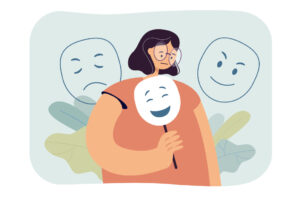
Many adults with ADHD spend years believing they’re “just bad at life.” They internalise criticism: “Why can’t you be more organised?” “You’re so smart—you’d do well if you just tried harder.” This leads to chronic shame and “masking”—exhausting efforts to appear “normal” by suppressing natural traits.
Over time, this takes a toll: anxiety, burnout, depression, and even physical health issues. It’s no coincidence that ADHD is strongly linked to higher rates of self-harm, addiction, and unemployment—not because of the condition itself, but because of a world that wasn’t built for neurodivergent minds.
What Needs to Change?
- Equitable access to diagnosis—no more 2-year waits or postcode lotteries.
- Better training for GPs, teachers, and mental health professionals—so they recognise ADHD beyond the stereotype.
- Funding for non-medical support—like coaching, peer groups, and workplace adjustments.
- A shift in narrative—from “deficit” to difference, from “disorder” to diversity.
You’re Not Broken—The System Is
If you’re reading this and seeing yourself—maybe for the first time—know this: your struggles aren’t a moral failing. They’re the result of a brilliant, sensitive, fast-processing brain trying to function in a world that demands conformity, rigid schedules, and constant self-regulation.
ADHD isn’t about lacking attention—it’s about having an attention system that’s too responsive, too curious, too intense for a world that values compliance over creativity.
Getting diagnosed isn’t about getting a label. It’s about getting the right support—and finally understanding yourself with compassion instead of criticism.
If you suspect you or someone you care about has ADHD, start a conversation with your GP. Seek out UK-based resources like ADHD UK, ADDISS, or YoungMinds. And above all—be kind to yourself. You’ve likely been doing your best in a system that wasn’t designed for you.
It’s time we redesigned it—together.
Written with care for the neurodivergent community in Lincolnshire and beyond.
If you’re a therapist, coach, or employer: learning about ADHD isn’t just helpful—it’s essential. Reach out to connect, learn, or collaborate.