

The Exhausting Art of Appearing “Normal”
You’ve perfected the performance.
You arrive at meetings with notes colour-coded and rehearsed. You laugh at jokes a beat too late because you were processing. You maintain eye contact even though it costs you mental energy. You apologise for being “spacey” or “forgetful” before anyone else can point it out.
On the surface, you function. You succeed. You manage.
Beneath the surface, you’re exhausted. Drained. Running on fumes.
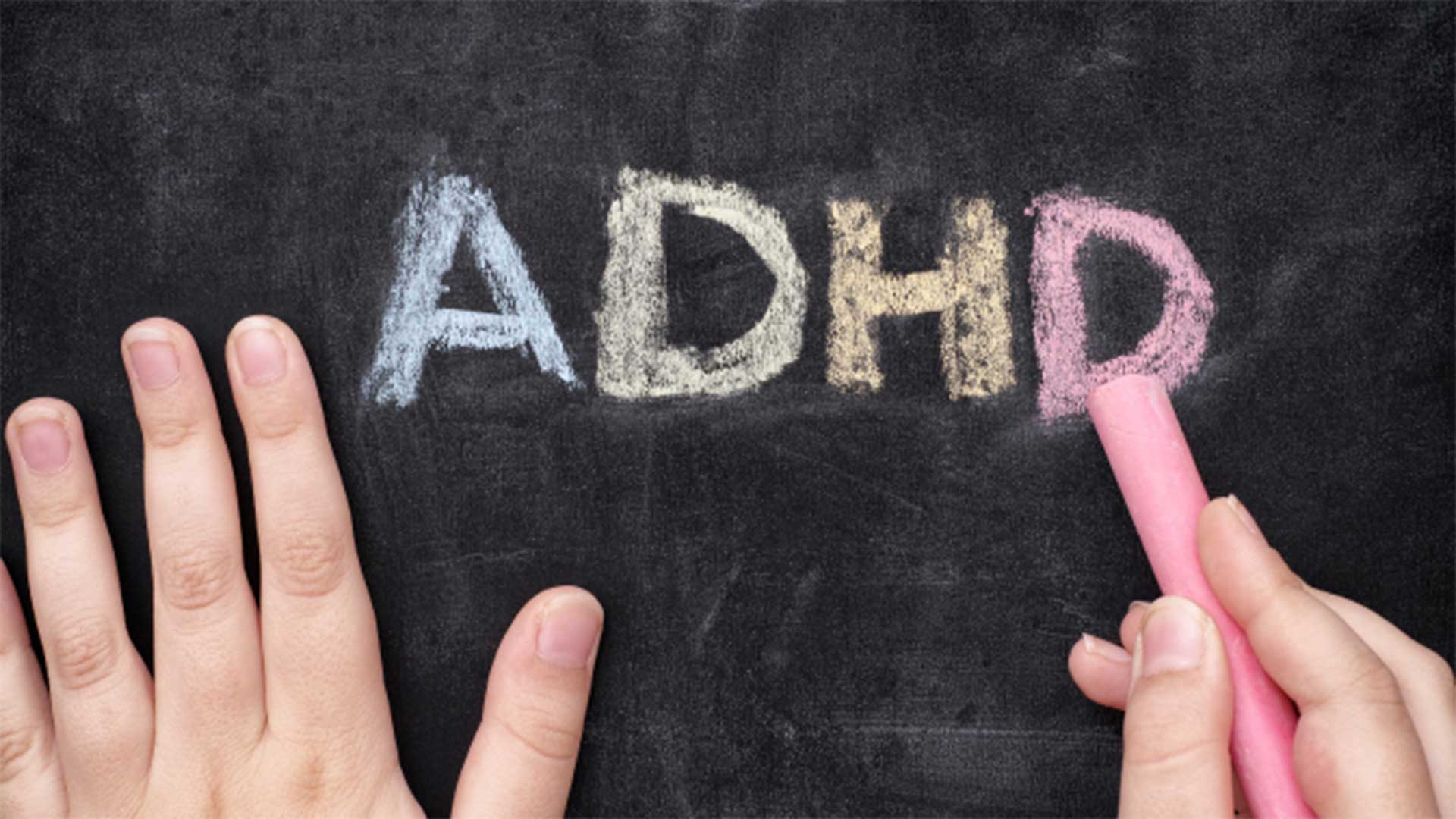
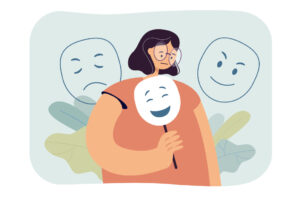
This is masking—the conscious or unconscious suppression of natural ADHD traits to appear neurotypical. It’s not deception. It’s survival. And it comes at a steep cost.
What Is ADHD Masking?
Masking is the collection of strategies neurodivergent people develop to hide their differences and blend into neurotypical environments. For those with ADHD, this often means:
- Over-preparing for conversations, meetings, or social events to avoid appearing disorganised
- Rehearsing responses to seem more articulate or less impulsive
- Suppressing stimming—the natural movements that help regulate your nervous system
- Forcing eye contact despite the cognitive load it creates
- Hiding overwhelm by smiling through sensory overload or emotional flooding
- Apologising constantly for traits you’ve been told are “too much”
- Mimicking social cues you don’t intuitively understand
- Working twice as hard to achieve what seems effortless for others
Masking isn’t always intentional. Many people develop these patterns in childhood, when difference was met with correction, exclusion, or shame. Over time, masking becomes automatic—a default setting you don’t even notice you’re running.
Why We Mask: Survival in a Neurotypical World
Masking isn’t vanity. It’s adaptation.
From early years, many with ADHD learn that their natural way of being is problematic. Too loud. Too fidgety. Too distracted. Too emotional. Too much.
The feedback is consistent, even when well-intentioned:
“Sit still.”
“Pay attention.”
“Think before you speak.”
“Why can’t you just be normal?”
So you learn to contort yourself into something more acceptable. You discover that if you work hard enough, prepare enough, perform enough—you can pass. You can avoid criticism. You can be liked. You can survive.
For marginalised individuals—women, those assigned female at birth, people of colour, LGBTQ+ folks, those from working-class backgrounds—masking often intensifies. The stakes are higher. The margin for error is smaller. The pressure to conform is relentless.
Masking becomes not just a coping strategy, but a necessity for safety, employment, relationships, and basic dignity.
The Hidden Toll: What Masking Costs
Masking works. That’s the problem.
It helps you navigate school, work, relationships, and social expectations. It helps you avoid judgment, rejection, or discrimination. It helps you appear competent, reliable, and “normal.”
But every moment of masking drains your finite resources. And those resources don’t replenish easily.
Physical exhaustion
The cognitive load of maintaining a false front is immense. Many describe feeling physically ill after prolonged social interaction—not from the interaction itself, but from the performance required to navigate it. Headaches, muscle tension, fatigue, and burnout are common.
Emotional depletion
Constantly monitoring your behaviour, filtering your responses, and suppressing your natural reactions creates emotional fatigue. You may feel numb, disconnected, or empty after “successful” masking. The real you recedes further with each performance.
Identity fragmentation
When you spend decades presenting a curated version of yourself, you may lose touch with who you actually are. The question “Who am I when no one is watching?” becomes difficult to answer. Authenticity feels foreign. Spontaneity feels dangerous.
Delayed or missed diagnosis
Masking is one of the primary reasons ADHD goes undiagnosed—especially in women, AFAB individuals, and those with inattentive presentation. Clinicians see the polished exterior and miss the internal chaos. You may be misdiagnosed with anxiety, depression, or personality disorders instead. The real issue remains unaddressed.
Increased anxiety and hypervigilance
Masking requires constant self-monitoring. You’re always scanning: Did I say the right thing? Did I miss a cue? Are they judging me? This hypervigilance keeps your nervous system in a state of low-grade threat—never fully relaxed, never fully safe.
How Masking Warps Relationships
Relationships require authenticity. Masking makes authenticity nearly impossible.
Intimacy suffers
How can someone truly know you when you’re presenting a filtered version of yourself? Partners, friends, and family may love the person they see—but wonder why you seem distant, guarded, or inexplicably exhausted. The real you remains hidden, even from those who care most.
Communication breaks down
Masking often means swallowing needs, avoiding conflict, or agreeing when you actually disagree. Over time, resentment builds. Boundaries erode. You may explode unexpectedly after months of suppression—or withdraw completely to conserve energy.
Trust becomes difficult
If you’ve spent a lifetime hiding parts of yourself, vulnerability feels dangerous. Opening up requires unmasking—and unmasking feels like risk. You may struggle to believe others will accept you without the performance. This creates cycles of connection and withdrawal that confuse everyone involved.
Parenting complications
Parents who mask may struggle to model authentic self-expression for their children. They may inadvertently teach their kids to hide their own differences. Or they may swing to the opposite extreme—overcompensating by rejecting all social norms, which creates its own challenges.
The Burnout Cycle: When Masking Becomes Unsustainable
Masking is a finite resource. Eventually, the tank empties.
Many people reach a breaking point in midlife, during major transitions, or after prolonged stress. The energy required to maintain the performance simply runs out. What follows is often described as “autistic/ADHD burnout”—a state of profound physical, emotional, and cognitive exhaustion where even basic functioning becomes difficult.
Signs of masking burnout include:
- Inability to maintain previous levels of performance
- Increased irritability, emotional dysregulation, or shutdown
- Physical symptoms: chronic fatigue, illness, pain
- Withdrawal from social contact and responsibilities
- Loss of interest in previously enjoyed activities
- Increased stimming or sensory seeking as the body attempts to self-regulate
- Questioning identity, purpose, or the meaning of past achievements
Burnout isn’t failure. It’s feedback. It’s your system saying: This way of living is not sustainable. Something must change.
Recognising Your Own Masking Patterns
You can’t stop masking until you see it. Awareness comes first.
Ask yourself:
- Do I feel drained after social interactions that others seem to enjoy?
- Do I rehearse conversations or prepare extensively for routine interactions?
- Do I feel like I’m “acting” or performing rather than being myself?
- Do I suppress natural movements, sounds, or expressions to appear “appropriate”?
- Do I feel relief when alone because I can finally stop performing?
- Do I struggle to identify my genuine preferences versus what I think I “should” like?
- Do I feel like an observer in my own life rather than a participant?
There’s no judgment in these answers. Masking has likely served you well. It has protected you. It has helped you survive. Recognising it isn’t about shame—it’s about choice. When you see the pattern, you can begin to decide which parts serve you and which parts drain you.
Unmasking: Reclaiming Authenticity on Your Terms
Unmasking isn’t about abandoning all social skills or disregarding others’ needs. It’s about distinguishing between adaptation (necessary adjustments to navigate the world) and contortion (changing yourself to be acceptable).
Start small
Choose low-stakes environments where you feel relatively safe. Allow yourself to stim subtly. Speak without rehearsing. Say no when you need to. Notice what happens—and what doesn’t.
Identify your non-negotiables
What aspects of masking feel most depleting? What would it mean to release them? Maybe it’s forcing eye contact. Maybe it’s attending events that overwhelm you. Maybe it’s apologising for traits that aren’t actually problems. Choose one thing to shift.
Build supportive relationships
Seek out people who appreciate your authentic self—or at least don’t punish you for it. This might mean neurodivergent communities, understanding friends, or a specialist coach who gets it. Connection with others who mask (or have unmasked) reduces isolation and provides practical wisdom.
Practice self-compassion
Unmasking can feel terrifying. You may worry about rejection, judgment, or failure. These fears are valid—they’re based on real experiences. Treat yourself with kindness as you navigate this shift. You’re not failing if it’s hard; you’re learning.
Redefine success
Success doesn’t have to mean passing as neurotypical. It can mean functioning in ways that honour your neurology. It can mean building a life that works with your brain, not against it. It can mean being known—truly known—by those who matter most.
Frequently Asked Questions
Q: Is masking the same as being introverted or shy?
A: No. Introversion is a personality trait; masking is a survival strategy. An introvert may prefer solitude but feel comfortable in their own skin. Someone who masks feels compelled to hide their true self to be accepted. The exhaustion comes from performance, not social interaction itself.
Q: Can masking cause physical health problems?
A: Yes. Chronic stress from masking impacts the nervous system, immune function, sleep, digestion, and cardiovascular health. Many people report significant physical improvement when they reduce masking and honour their natural rhythms.
Q: What if I can’t stop masking at work?
A: You don’t have to. Unmasking is a gradual process that happens at different paces in different contexts. Work may require more adaptation than home—and that’s okay. The goal is increased awareness and choice, not perfection or complete disclosure in every setting.
Q: Will people reject me if I stop masking?
A: Some might. This is a real risk, especially in environments that value conformity over authenticity. But many people find that relationships deepen when they show up more genuinely. The right people will appreciate the real you more than the performance.
Q: How do I know if I’m masking or just being polite?
A: Politeness is a social agreement that doesn’t require you to suppress your core self. Masking involves hiding fundamental aspects of your neurology, personality, or identity to avoid negative consequences. The key difference is cost: politeness feels manageable; masking feels depleting.
You Deserve to Take Up Space
Masking has likely served you well. It has protected you. It has helped you navigate a world not designed for your brain. Honour that resilience.
But you don’t have to live that way forever.
Unmasking isn’t about becoming someone else. It’s about returning to yourself—gradually, gently, on your own terms. It’s about building a life where you can exist without constant performance. Where your traits are not problems to solve but aspects of a unique neurology to understand and work with.
You deserve to be known. You deserve to rest. You deserve to take up space exactly as you are.
If masking has left you exhausted, disconnected, or questioning who you really are, I offer person-centred coaching and consulting to support your journey toward authenticity. We’ll work at your pace, honouring both your need for safety and your desire for genuine connection.
📞 Book a confidential consultation
📍 Online sessions available across the UK, US, Europe
Tatjana | Person-Centred Coach & Consultant
Specialist Support for LGBTQIA+ Individuals and Neurodivergent Adults