



A Non-Judgmental Path to Clarity
Many people arrive at therapy questioning their relationship with pornography. Some feel trapped in cycles they can’t seem to break. Others experience shame, confusion, or a disconnect between their values and their behaviour. Some worry about impact on relationships, mental health, or daily functioning.
This article explores what happens when porn use causes distress—and how person-centred support can help you find clarity without shame or moralising.
Beyond the Label of “Addiction”
The term “porn addiction” appears widely online, in media, and even in some therapeutic spaces. Yet it remains controversial within the mental health field. The World Health Organization includes “compulsive sexual behaviour disorder” in its diagnostic manual, but this focuses on distress and impairment—not the specific content consumed.
More importantly: labels don’t always help. For some, “addiction” language provides relief—a framework that makes sense of overwhelming patterns. For others, it deepens shame, implying brokenness or moral failure where none exists.
What matters more than terminology is your lived experience: Does your porn use cause you distress? Does it interfere with relationships, work, or wellbeing? Do you feel in control—or does it feel like the behaviour controls you?
These questions point toward what actually needs addressing: not the porn itself, but the relationship you have with it.
Why Patterns Form: Understanding Without Judgment
People don’t develop complex relationships with porn in a vacuum. Common underlying factors include:
Stress and emotional regulation
Porn can become a coping mechanism for anxiety, loneliness, boredom, or overwhelm. It offers immediate dopamine release and temporary escape from difficult emotions. When healthier regulation tools are unavailable or underdeveloped, porn fills the gap—not out of weakness, but adaptation.
Early exposure and conditioning
Many people first encounter porn during adolescence, when the brain is highly plastic and forming neural pathways around arousal and reward. Early, frequent exposure can shape expectations about sex, relationships, and bodies that feel difficult to shift later.
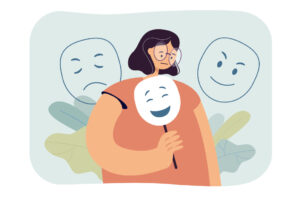
Shame cycles
Consumption → shame → emotional distress → further consumption to soothe that distress. This loop reinforces itself, making it feel impossible to break free without addressing the shame component directly.
Relationship dynamics
Some use porn to compensate for unmet needs in partnerships—lack of intimacy, mismatched desire, communication barriers. Others hide use from partners, creating secrecy that erodes trust and compounds guilt.
Neurodivergence and executive function
For those with ADHD, autism, or other neurotypes, impulse regulation and reward-seeking can operate differently. What looks like “compulsion” may reflect neurobiological patterns—not character flaws.
None of these factors excuse harm to others. But they do provide context. Understanding why a pattern exists is the first step toward changing it—without self-punishment.
When Porn Use Becomes Problematic
Not all porn use is problematic. Many people consume pornography without negative consequences. The issue arises when it causes distress or dysfunction. Common signs include:
- Feeling unable to reduce or stop despite wanting to
- Spending hours that interfere with work, relationships, or responsibilities
- Using porn to cope with emotions rather than addressing them directly
- Experiencing shame, guilt, or self-loathing after use
- Hiding use from partners or feeling disconnected in intimate relationships
- Needing increasingly extreme content to achieve the same effect
- Feeling numb, dissociated, or disconnected from real-life intimacy
If these resonate, it doesn’t mean you’re broken. It means something in your current approach isn’t working—and that can change.
What Support Looks Like: Coaching and Consulting Without Agenda
Many people hesitate to seek help because they fear judgment, religious moralising, or being told to “just stop.” Effective support doesn’t work that way.
My approach begins with curiosity, not condemnation. Together, we explore:
Your relationship with porn
When did patterns begin? What needs does it meet? What emotions trigger use? What happens afterward? We map the full cycle without judgment.
Underlying drivers
Are you using porn to manage stress, loneliness, anxiety, or unmet relational needs? Identifying root causes allows us to address what’s actually driving the behaviour—not just the symptom.
Values alignment
What matters to you? How does current use align or conflict with those values? Sometimes clarity emerges simply by reconnecting with what you truly want—not what others expect.
Practical strategies
We build realistic tools tailored to your life: environmental adjustments, alternative coping mechanisms, communication skills with partners, or boundary-setting practices. No perfectionism. No shame. Just sustainable steps forward.
Self-compassion
Breaking shame cycles requires treating yourself with the same kindness you’d offer a friend. We practice this explicitly—because self-punishment fuels the very patterns you’re trying to shift.
Partners and Relationships
If you’re in a relationship where porn use has created tension, support can help navigate this too. Common challenges include:
- Feeling betrayed or inadequate when a partner uses porn
- Disagreements about what constitutes infidelity
- Mismatched expectations about exclusivity or openness
- Communication breakdowns around desires and boundaries
Whether you’re working individually or as a couple, the goal is clarity—not compliance. You deserve to feel heard, respected, and aligned with your partner around intimate choices.
Frequently Asked Questions
Q: Do you believe porn is inherently harmful?
A: No. Pornography itself is a neutral medium—like any media, its impact depends on context, content, and the individual consuming it. My focus is on your relationship with it, not moral judgments about the material itself.
Q: Will you tell me to stop using porn completely?
A: No. My role is to support your goals, not impose mine. Some people choose abstinence. Others aim for moderation or mindful use. We work with what feels authentic and sustainable for you.
Q: Is this about religion or morality?
A: Not at all. My approach is secular, evidence-informed, and grounded in your wellbeing—not religious doctrine or societal expectations.
Q: What if my partner and I disagree about porn?
A: That’s common. We can explore communication strategies, boundary negotiation, and ways to understand each other’s perspectives without blame or ultimatums.
Q: How long does it take to see change?
A: Everyone’s timeline differs. Some notice shifts within weeks; others work longer to address deep-rooted patterns. Progress isn’t linear—and that’s normal. We focus on sustainable change, not quick fixes.
Taking the Next Step
Questioning your relationship with porn takes courage. It doesn’t mean you’re broken or beyond help. It means you’re ready to understand yourself more deeply—and to build patterns that align with who you want to be.
You don’t have to navigate this alone. Whether you’re working individually, with a partner, or simply exploring what’s possible, specialist support can provide clarity without shame.
📞 Book a confidential consultation
📍 Online sessions available across the UK
Person-Centred & Trauma-Informed Practice
Specialist Support for Adult Industry Workers | LGBTQIA+ & Neurodiversity Affirming