Understanding ADHD in the UK

A compassionate guide to ADHD in Britain today

Attention Deficit Hyperactivity Disorder (ADHD) is a common neurodevelopmental condition that affects people of all ages. Far from being just about “fidgeting” or “daydreaming,” ADHD shapes how the brain manages attention, impulses, emotions, and executive functioning. With the right understanding and support, individuals with ADHD can thrive.

Important: ADHD is a lifelong condition—not a behavioural problem, a result of poor parenting, or a lack of willpower. UK: It is recognised by the NHS, NICE (National Institute for Health and Care Excellence), and major UK health bodies.

What is ADHD?

Understanding ADHD as a Neuro-developmental Difference

ADHD is a neurological difference present from birth. It affects the brain’s prefrontal cortex—the area responsible for planning, focus, emotional regulation, and self-control. There are three presentations:
  • Combined type: difficulties with both inattention and hyperactivity/impulsivity (most common).
  • Predominantly inattentive type: challenges with focus, organisation, and follow-through—often without obvious hyperactivity (commonly missed in girls and adults).
  • Predominantly hyperactive-impulsive type: restlessness, fidgeting, interrupting, and acting without thinking.

ADHD in Children vs. Adults

Recognition Looks Different at Every Age

While ADHD begins in childhood, it doesn’t “go away.” Many adults are diagnosed later in life—especially women, autistic individuals, and those from marginalised backgrounds whose symptoms were overlooked.

In children, ADHD may look like:

  • Difficulty following instructions or finishing tasks
  • Appearing not to listen
  • Constant movement or inability to sit still
  • Frequent interruptions or blurting out answers
  • Strong emotional reactions that seem disproportionate

In adults, symptoms often shift:

  • Chronic disorganisation and time blindness
  • Procrastination and inconsistent motivation (“task paralysis”)
  • Restlessness (mental more than physical)
  • Impulsivity in spending, relationships, or decisions
  • Rejection sensitivity and emotional dysregulation
  • A history of underachievement despite high intelligence

Getting a Diagnosis in the UK

What to Expect During Your ADHD Assessment

Diagnosis should be carried out by a qualified specialist—usually through the NHS (via CAMHS for under-18s or adult ADHD services) or a registered private provider.

However, access remains uneven. Many areas have long waiting lists (often 12–24 months), and some Clinical Commissioning Groups (CCGs) restrict referrals based on arbitrary criteria.

A full assessment typically includes:

  • Clinical interviews with the individual (and parents/carers for children)
  • Standardised rating scales (e.g., DIVA-5 for adults)
  • Review of developmental history and school/work records
  • Ruling out other conditions (e.g., anxiety, autism, trauma)

Under NICE guidelines (NG87), diagnosis must not rely solely on checklists—it must consider the person’s full life context.

Support and Treatment

There is no “cure” for ADHD—but effective support can dramatically improve quality of life. NICE recommends a personalised, multi-modal approach:

  • Education and psychoeducation: Understanding ADHD is the first step to managing it.
  • Environmental adjustments: In school, work, or home (e.g., clear routines, visual reminders, reduced distractions).
  • Therapy: CBT, ADHD coaching, or counselling can help with emotional regulation, self-esteem, and practical strategies.
  • Medication: For many, stimulants (e.g., lisdexamfetamine, methylphenidate) or non-stimulants (e.g., atomoxetine) are safe and effective when monitored properly.

Medication is not mandatory—and not right for everyone—but for those it helps, it can be life-changing.

Common Misconceptions

  • “ADHD isn’t real.” →  It’s a well-researched neurological condition with strong genetic links.
  • “Only boys have it.” → Girls and women are frequently underdiagnosed due to different symptom presentation.
  • “People with ADHD just need to try harder.” → Willpower doesn’t fix a neurobiological difference in executive function.
  • “ADHD means you’re hyper all the time.” → Many experience internal restlessness or hyperfocus instead.

Where to Get Help in the UK

  • NHS: Start with your GP—but be prepared to advocate. Ask for a referral to your local ADHD service.
  • Charities:
     
  • Private assessment: Choose providers registered with the HCPC or GMC, and ensure they follow NICE guidelines.

If you’re a therapist, coach, or healthcare professional: supporting someone with ADHD means seeing the person—not the stereotype. Many struggle with shame, masking, and systemic barriers. Your understanding can be a lifeline.

This information is for general guidance only and is not a substitute for professional medical advice. Always consult a qualified healthcare provider for diagnosis or treatment. Updated in accordance with NICE guidelines (2026).

ADHD Masking

ADHD Masking:

Beneath the surface, you’re exhausted. Drained. Running on fumes.
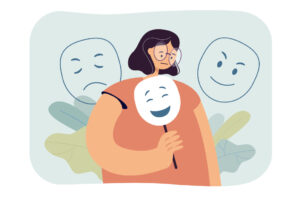
This is masking—the conscious or unconscious suppression of natural ADHD traits to appear neurotypical. It’s not deception. It’s survival. And it comes at a steep cost.

Read More »
LGBTQ+ Discrimination

LGBTQ+ Discrimination:

“Discrimination wears many faces—from violence to micro-aggressions. This article explores its psychological toll on LGBTQ+ individuals and pathways to healing without minimisation or shame.”

Read More »
Porn addiction and relationships

When Porn Use Feels Out of Alignment:

“When porn use causes distress, shame often follows. This article explores finding clarity without judgment—understanding your relationship with porn and building sustainable change on your own terms.”

Read More »
Adult Industry Blog

Why Adult Workers Seek Counselling:

“Adult work brings unique emotional demands—stigma, isolation, boundary fatigue—that mainstream therapy often misunderstands. This article explores why sex workers, performers, and creators seek specialist counselling, coaching, and consulting: support that honours your autonomy, addresses industry-specific stressors, and meets you without judgment.”

Read More »